
Weekly Engine #105
W3 Jul 2026

GM/GN.
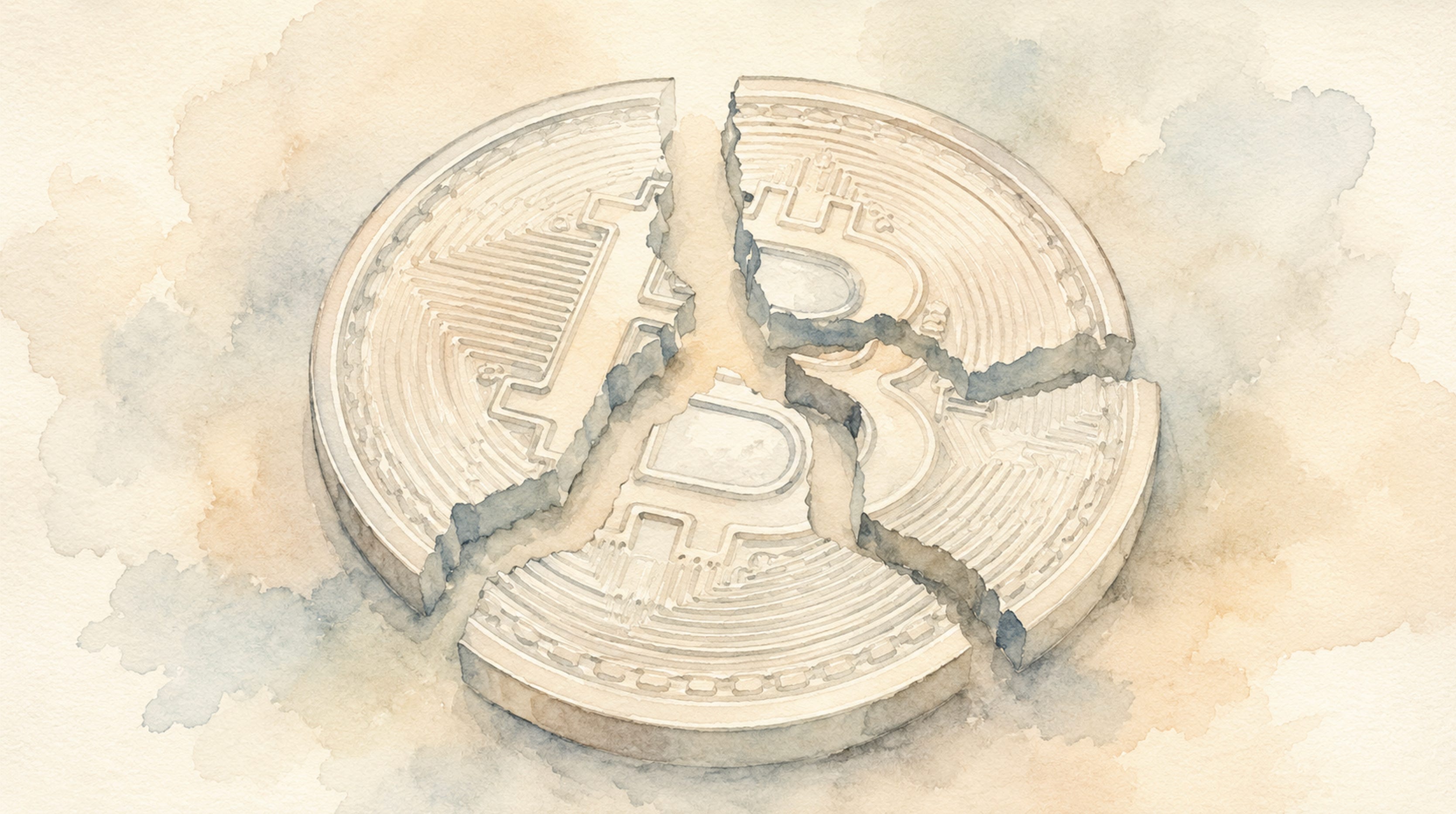
This week, BIP 110 has been widely discussed across the network. The problem BIP 110 is trying to solve is real. Ordinals and other methods of storing data do take up block space, can increase fees, and add to the load on the network. But in my view, the main question is not whether the problem exists, but how it should be addressed. Bitcoin has always been built on neutral rules: if a transaction complies with consensus rules and pays the market fee, the network should not judge whether that use is “right” or “wrong.” That is why I believe consensus should be changed only when there is an objective technical necessity, such as a critical vulnerability, inflation risk, a security failure, or a serious exploit that allows the network or nodes to be overloaded.
In its current form, BIP 110 seems too broad to me. It introduces several restrictions at once, affects reserved Taproot capabilities, and proposes a less conservative activation mechanism despite a high level of disagreement. At the same time, I do not believe Bitcoin should allow any kind of data to be stored without limits. If compelling evidence emerges that a specific construction genuinely threatens the security or decentralization of the network, a narrow and well-justified consensus change may be warranted. But today, in my view, BIP 110 compromises Bitcoin’s neutrality more than is necessary to solve the underlying problem.
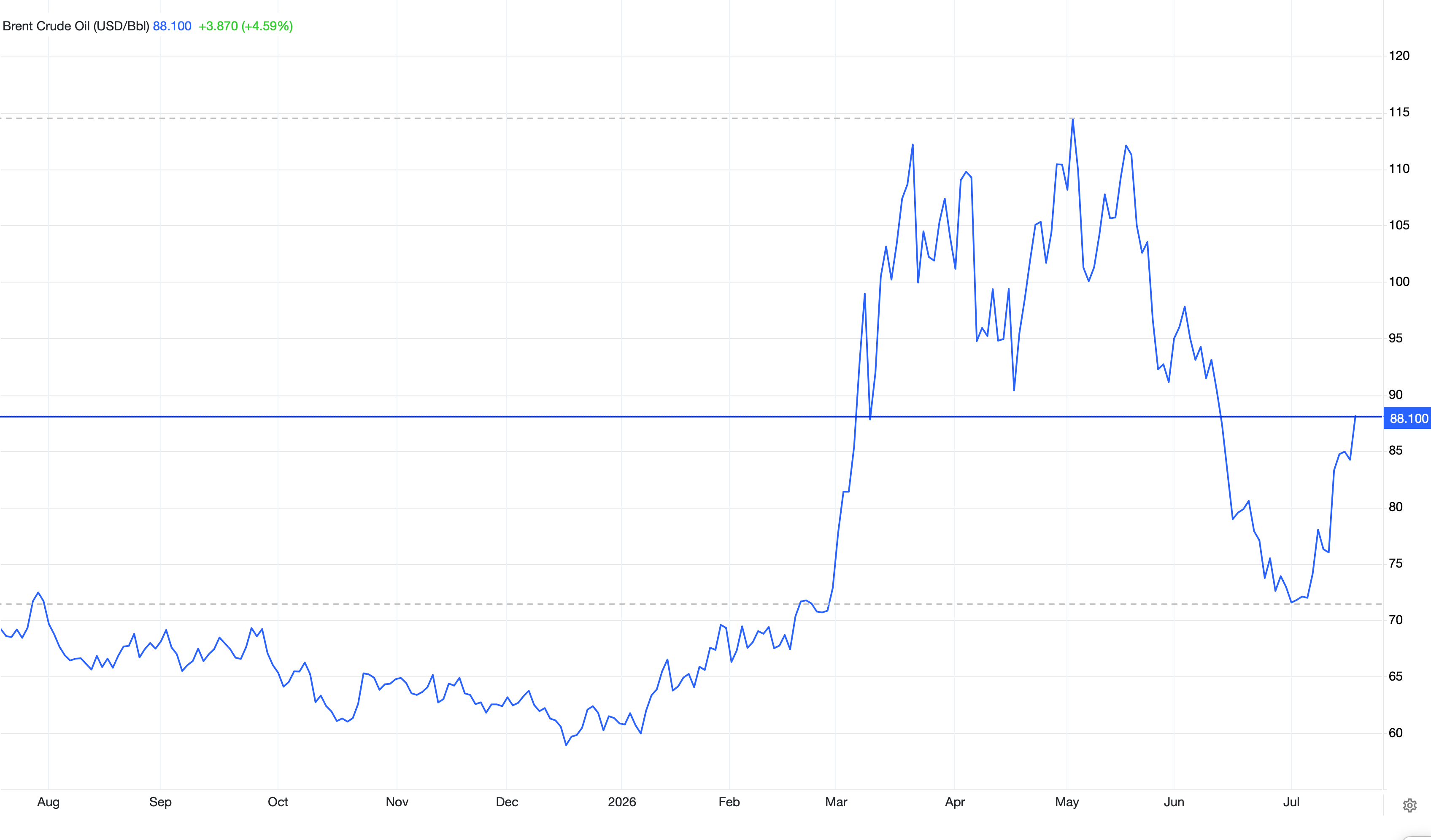
This week, Brent crude rose to $88 per barrel, reaching a one-month high amid further escalation of the conflict in the Middle East and growing risks to energy infrastructure and shipping. Oil gained more than 14% over the week as the market priced in potential supply disruptions along key routes in the region.
As a reminder, high oil prices affect more than just the energy market. They raise the cost of fuel, transportation, production, and logistics, and those increases gradually feed into the prices of goods and services across the global economy. This adds to inflationary pressure and may force the Fed to keep rates higher for longer or delay rate cuts. As a result, expensive oil becomes an additional risk to economic growth, financial markets, and demand for risk assets.
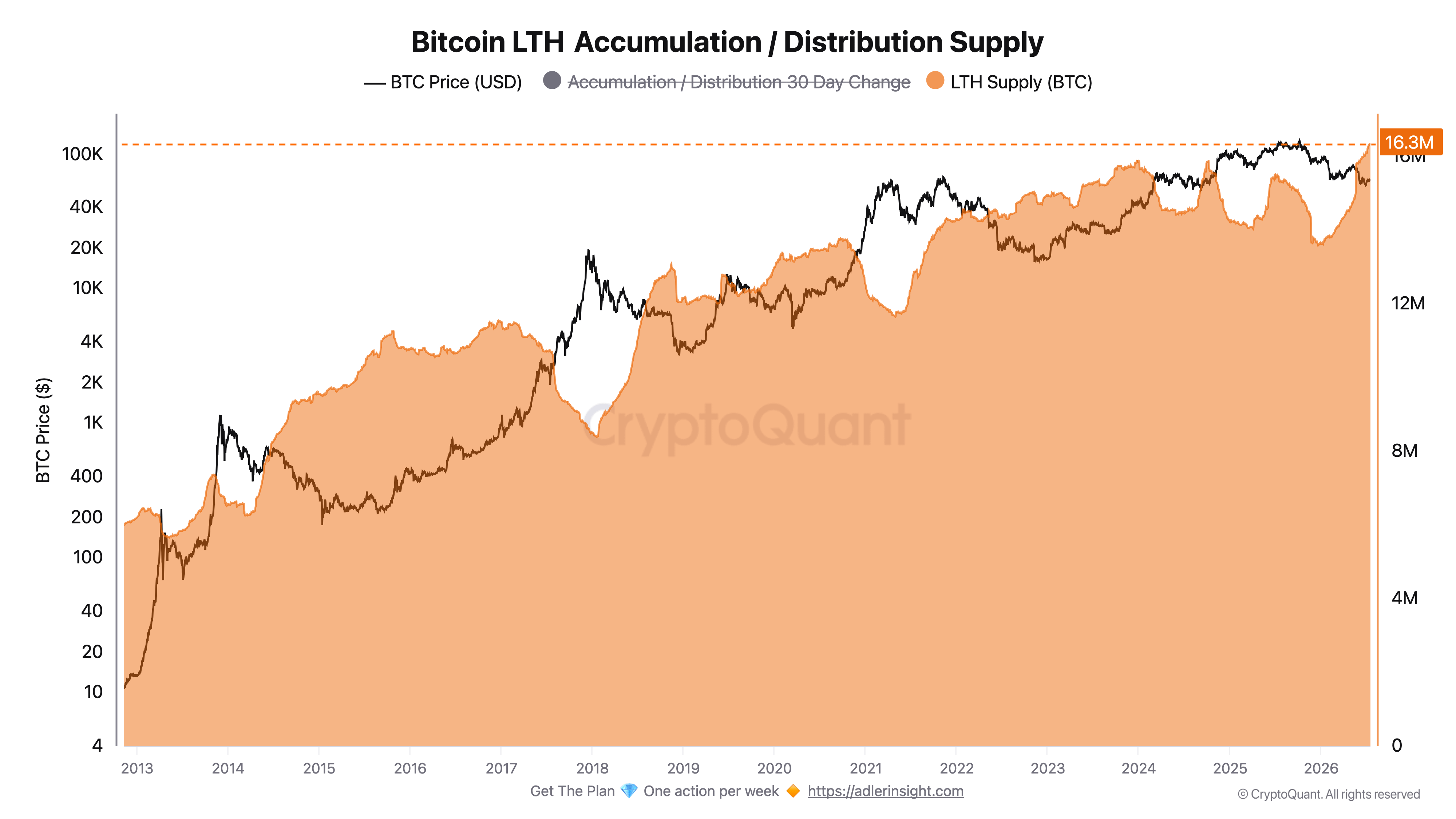
Let's move on to the on-chain data. Long-term holders continue to actively increase their positions and keep their coins dormant. Total LTH supply reached an all-time high of 16.34 million BTC. Over the past 30 days, the metric increased by 2.32%, equivalent to roughly 371,000 BTC moving into the long-term holder category. I covered this in more detail in Adler AM #215. In effect, the growing supply held by LTHs looks like a strong structural wall for the entire network, yet the price has lost nearly half its value over the past year. This shows that structural supply scarcity has not yet been enough to offset the lack of sustained demand.
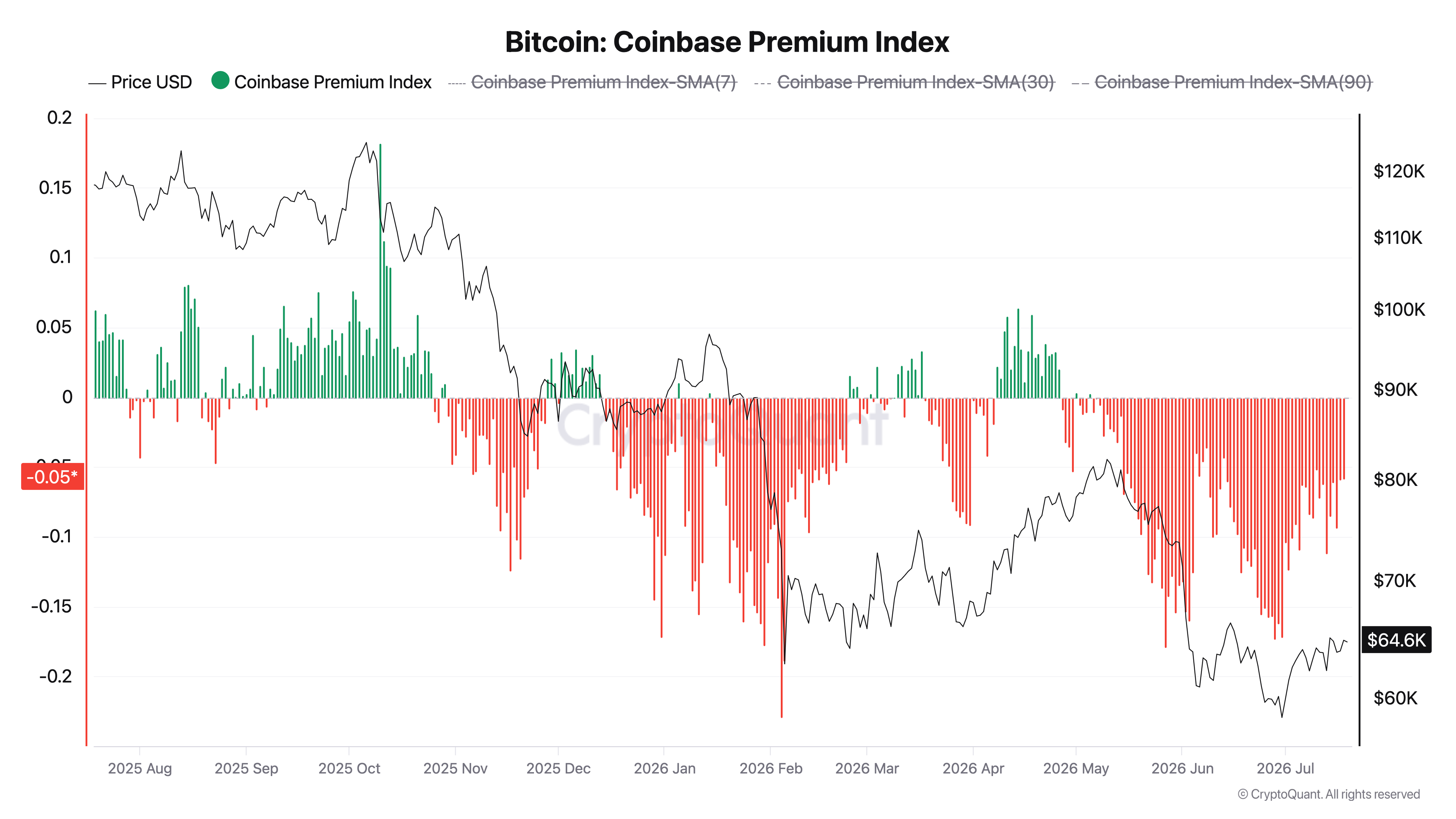
Supporting this point, the Coinbase Premium remains in negative territory. This indicates weak demand from US investors. Brief spikes above zero in April failed to produce a sustained reversal, so the current accumulation by LTHs remains one-sided: supply is shrinking, but there is still not enough new capital entering the market to support a price recovery.
🔸
Now to the main part: the weekly market review. What is the market showing, which signals have turned on, what new early-warning triggers have appeared, and what verdict does the Weekly Engine give on Bitcoin right now?
The full analysis is below. 👇
Keep reading with a 7-day free trial
Subscribe to Adler 💎 Insight to keep reading this post and get 7 days of free access to the full post archives.